Followers

Total Pageviews

Jaiho- Dubai. Powered by Blogger.

SLEEPING ON STOMACH TRIGGERS EROTIC DREAMS

Posted by Elizebath Bijoy Sunday, September 23, 2012 0 comments

People who sleep on their stomach are significantly more likely to have racy dreams compared to those dozing off in other positions, a new study has revealed. 

Participants reported feeling sensations related to 'sex' and 'persecution' more frequently than anyone else. 

Among the other racy motifs that dreamt up were 'being tied up', 'being locked up' and 'unable to move'. 

Lead author Calvin Kai-Ching Yu from Shue Yan University in Hong Kong said that the increase in sexual thoughts could be because people don''t get as much air when they sleep on their stomach, so their mind was imagining being constricted when you sleep. 

For the study he spoke to 670 students, two-thirds of whom were female, and asked them to fill out surveys about their dreams. 

The details included how often they occurred, how intense they were and what were the themes that came up. 

He also asked them to write down their sleeping posture, how often they slept on their sides, face down or face up. 

Among the other ideas that came to people who slept on their front most frequently was 'erotomania', which is when a person believes they have a secret admirer, often a famous person.

"This study provides the evidence that dream experiences, and in particular dream content, can be influenced by body posture during sleep," the Daily Mail quoted Kai-Ching Yu as saying. 

"I believe that the brain during sleep is not at all totally detached from the external world, and stimuli, including those stemming from the environment, are probably incorporated into dream content more often than people observe or are aware of. 

"The unconscious brains of the dreamers try to make sense, and even make use of, the external stimuli," he added. 

The study was recently published in the journal Dreaming.

FEET CARE DURING RAINS

Posted by Elizebath Bijoy Monday, September 17, 2012 0 comments

Foot cleansing: Wash your foot every time you come from outside with a liquid wash. 

Ensure you dry your feet completely before wearing new footwear or socks.
The heel is generally cracked and needs to be scrubbed with a pumice stone or a scrub to remove dead cells followed by applying a moisturizing cream. The space between toes has to be cleaned, dried and sprayed with powder, preferably an anti-fungal powder. 
Avoid using moisturizing cream or scrubs in this region since it can cause breaks in the soft skin between toe-webs.
Toenail care
Keep your toenails trimmed so that less dirt accumulates underneath the nails and cleaning feet becomes easier.
Don't wear closed shoes as they hold water thereby making the feet sodden. Opt for water proof open strapped footwear.
Dry footwear
Ensure your footwear is dry before you wear it the next day. 
It is wise to have two sets of footwear, one for travel in the rains and the other for use at workplace.

NUTS DURING PREGNANCY CAN REDUCE ASTHMA RISK FOR KIDS

Posted by Elizebath Bijoy Saturday, September 8, 2012 0 comments

London: A new research has suggested eating nuts during pregnancy could reduce the risk of children developing asthma.

Contrary to common opinion, eating nuts during pregnancy is not harmful to children and could, in fact, benefit their health, Daily Express reported Wednesday.

In the study, published in the Journal of Allergy and Clinical Immunology, researchers examined the relation between nut intake during pregnancy and allergic disease outcomes in early and later childhood of their offspring.

The data was provided from over 61,000 women, who were part of the Danish National Birth Cohort.

Results showed mothers who ate nuts at least once a week during pregnancy were less likely to have kids suffering from asthma.

ASTHMATIC CHILDREN MORE LIKELY TO BE BULLIED

Posted by Elizebath Bijoy Monday, September 3, 2012 0 comments

British scientists have uncovered several factors, which include physical inactivity and sadness that could explain why children with asthma or any chronic medical condition are more likely to be bullied. 

Researchers from the Derbyshire Children's Hospital in Britain, used data from the large six-country "Room to Breathe" survey of childhood asthma, to look at the factors tied to an increased risk of bullying. 

Parents and children aged seven years and above were interviewed for the study. Data was collected from 943 questionnaires which asked questions about conditions at home, lifestyle of parents and children and their overall experience of their condition. 

The results revealed factors such as a reduced participation in sport and feelings of sadness were linked with bullying. 

Will Carroll, from the Derbyshire, said: "Our findings emphasise the need for doctors and nurses to speak to their patients about the effects their condition has on all aspects of their life. We know that bullying is associated with asthma and these findings can help us understand why this is the case." 

"A number of the factors identified are things that can be changed, such as participation in sport, asthma control and parental worry over their child's health. As doctors, we must work with families to ensure these risk factors are removed and work with schools and teachers to ensure children with asthma are able to participate in sports at a level that is safe for them," added Carroll. 

David Supple, the parent of an asthma sufferer, said: "When you have a child with exercise-induced asthma it can be really hard to get them to participate. You can be scared to push them - but the health and social benefits far outweigh the fear, and can help build a lifetime of confidence against bullying." 

These findings were presented on Sunday at the European Respiratory Society's Annual Congress in Vienna, Austria.

EGG YOLK CAB BLOCK ARTERIES

Posted by Elizebath Bijoy Monday, August 27, 2012 0 comments

Toronto: Eating egg yolk is just as bad as smoking for atherosclerosis since it leads to accumulation of fat and cholesterol which causes hardening of arteries by forming plaques on its walls, a new study has found. 

The study which surveyed 1,231 patients at Western University, Canada, found regular consumption of egg yolks is about two-thirds as bad as smoking regarding increased build-up of plaque, a risk factor for stroke and heart attack. 

Researchers looked at data from men and women, with a mean age of 61.5 years, attending vascular prevention clinics at London Health Sciences Centre's University Hospital, the journal Atherosclerosis reported hardening of arteries by plaques within its walls. 

Ultrasound was used to establish a measurement of total plaque area and questionnaires were filled out regarding their lifestyle and medications including pack-years of smoking (number of packs per day of cigarettes times the number of years), and the number of egg yolks consumed per week times the number of years consumed (egg yolk-years). 

The study also found those eating three or more yolks a week had significantly more plaque area than those who ate two or fewer yolks per week, according to a Western University statement. 

"The mantra 'eggs can be part of a healthy diet for healthy people' has confused the issue. It has been known for a long time that a high cholesterol intake increases the risk of cardiovascular events, and egg yolks have a very high cholesterol content. In diabetics, an egg a day increases coronary risk by two to five-fold," said David Spence, professor of neurology at Western University.

CILANTRO'S NUMEROUS HEALTH BENEFITS

Posted by Elizebath Bijoy Tuesday, August 21, 2012 0 comments

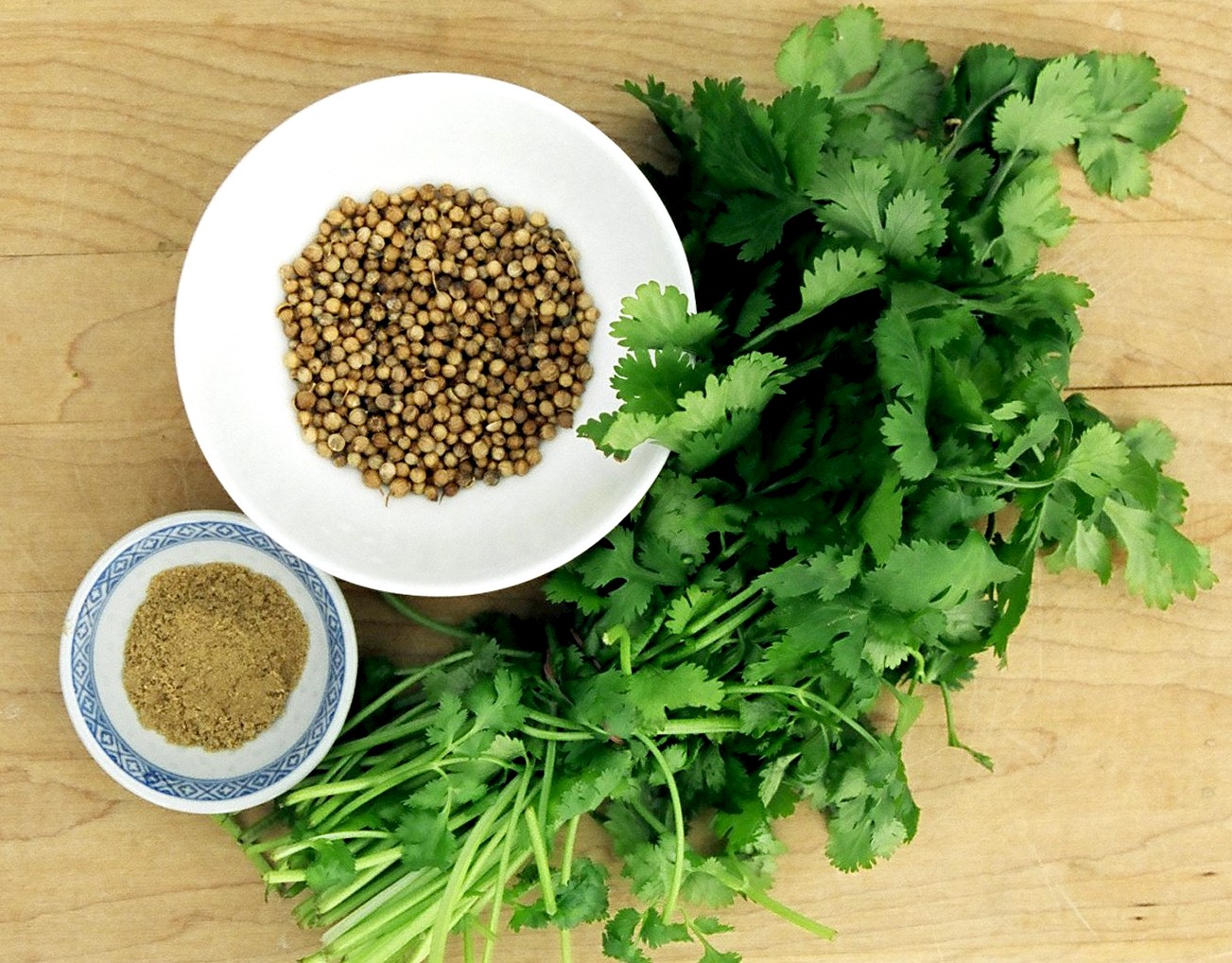
Cilantro or coriander leaves have great health benefits 

Cilantro is a popular Mediterranean herb commonly recognised in India as coriander or dhania patta. It is part of most Indian kitchens and very often used to garnish curries, salads and soups. A simple aloo ki sabzi tastes much better with a liberal garnishing of coriander. One can make a mouth-watering paste of coriander leaves, peanuts, onions, green chilies and add a dash of lemon juice. This chutney is excellent as a sandwich spread. You can also grind coriander leaves with mint leaves and it is excellent for making a green chicken rice. 

Cilantro is an excellent source of minerals like potassium, calcium, manganese, iron, and magnesium. Fresh leaves should be washed thoroughly in water in order to remove the dirt and to get rid of any residual pesticides which can be harmful for health. It is best used while it is fresh as it retains its unique fragrance and aromatic flavour. Freshly chopped coriander leaves are a great addition to green salad. 

It is also rich in many vital vitamins including folic-acid, vitamin-A, beta carotene and vitamin-C that are essential for optimum health. Vitamin-C is a powerful natural antioxidant. Cilantro leaves provides 30% of daily recommended levels of vitamin C. The health benefits of cilantro are many. Its powerful anti-inflammatory capacities that can help one deal with symptoms of arthritis. It also increases HDL cholesterol (the good kind), and reduces LDL cholesterol (the bad kind). Coriander leaves offer great relief from stomach indigestion problems and the like. It also helps reduce feelings of nausea. Studies have shown that it has got strong antioxidant properties and it helps promote healthy liver function. 

This humble herb can be grown in your kitchen garden. So, make it a part of your kitchen and add more taste to your platter. And also derive benefits from its health properties.

POWER YOGA EARNING BAD KARMA

Posted by Elizebath Bijoy Friday, August 17, 2012 0 comments

It's fast, it's vigorous and it melts fat fast. So, why are yoga experts crying foul over the power yoga fad that has taken over city gyms?

Backed by the likes of Bollywood actresses Kareena Kapoor, Kangana Ranaut and Geeta Basra, power yoga is to today's urban Indian woman what aerobics was in the '80s. Practically every gym and fitness centre in the city offers weekly 60 to 90-minute power yoga classes to its members.

What is power yoga?
A poor commercial derivative of Ashtanga yoga, power yoga is essentially an up-tempo aerobic workout, where yoga poses are done faster and in continuation. Apart from temporary weight loss, it has virtually no health benefits. Since power yoga is a widely used term that was never trademarked, individual teachers usually lend their personal interpretation to classes.

But the aggressive and physical take on the traditional discipline has upset the karma of the normally tranquil world of yoga. Purists dismiss it as a "commercial, supermarket" version of the practice with competitive elements that contradict yoga's most basic principles. There have even been claims that, in encouraging beginners to try and push their bodies into quick movements and advanced positions, this and other sport versions are temporarily successfully and actually dangerous because they could cause injury.

It causes injury
"Power yoga is like any cardiovascular activity, which means that if you stop practicing it you will regain the weight you've lost," says Samanta Duggal, yoga therapist and director at Temperance. In her 20 years of experience, she has seen many cases of people taking up power yoga for quick results and instead sustaining injuries — usually to the neck, shoulder, toes, knees, hips and lower back. "Doing repetitive asanas and 100 surya namaskars with no emphasis on alignment is a sureshot way to injury. So, instead of progressing to better health, they actually regress!"

Bypasses core components
Many of these classes also bypass the core components of yoga — pranayama (with proper sequence and ratio) and yoga nidra (relaxation) at the end. The idea of relaxation is to allow the blood lactate levels to return to normal. If they remain high, they could set off the stress glands, making your power yoga session a stressful one. Stressful yoga — how contradictory is that!

Where traditional forms of yoga, as practiced by Lara Dutta and Abhay Deol, encourage mindful, breath-controlled movement from pose to pose, power yoga participants work up a serious sweat. "Power Yoga was simply a name I came up with in the late '80s to let people know that ashtanga yoga practice — unlike most of the yoga taught in '70s America — was a serious workout, designed to build significant strength and concentration as well as flexibility," says Beryl Bender Birch. He is one of the two American yoga teachers who nearly simultaneously coined the term. Los Angeles-based Bryan Kest is the other. Not coincidentally, both these teachers had studied with Ashtanga master Sri K. Pattabhi Jois. Another name often associated with power yoga is Baron Baptiste who devised his own method in San Francisco,California.

Misnamed practice in India
In power yoga proposed by them, poses are followed up with strength training while synchronising one's breathing patterns to each Vinyasa (movement), with attention given to Tristhana (posture, breath, and focal point for the gaze).

But the kind taught in gyms out here is a different story altogether. "Power yoga here is a bigsham and a scam," says yoga columnist and teacher Shameem Akhtar, who's a proponent of Sivananda yoga. She explains, "Static poses are very difficult and fast-paced ones are for beginners. This may explain the peculiar culture of the misnamed power yoga in Mumbai, where people are made to do asanas faster, just to keep them happy. The flipside of this is they never reach the stamina that real power yoga — as the term is used in America."

Quickie courses, untrained instructors
Patanjali and Hatha yoga teacher Dharam Choudhry puts this scam down to lack of training. He says, "No certification or specific training is required before a person is allowed to teach power yoga." Quickie courses teach poses but not the nuances of proper alignment, intentional correct breathing or noncompetitive mind-set. "So, most gyms recruit power yoga trainers from the vast group of the unemployed young, who are figuring out what they want to do with the rest of their lives."

"One local trainer used to attend my dance yoga classes, copy the sequences I had personally created, and pass them off as his own," recalls Akhtar. The trainer now issues power yoga certificates to other 'trainers'.

Since the instructor does not need to invest much time to learn or teach it, they can tag the classic and glamourous label of yoga to any weak set of stretches. "So, essentially, it is like doing warm-ups for the entire work-out session! How can that be healthy?" asks Akhtar.

Traditional approach is holistic
Choudhry, who has been teaching Patanjali and Hatha yoga for a decade, blames this fad on lack of awareness. "Yoga has enormous benefits. It's a shame that most people here take on this commercial version of power yoga, which was invented in America to begin with, often don't get the maximum benefit."

Compare that to traditional schools of yoga that lay a good foundation for a long-lasting and all-round fitness and wellbeing. Says Duggal, "Whether it's Sivananda, Bihar, Iyengar, Vini yoga from the Krishnamacharya lineage, they all have a holistic approach."

If combined with the right diet, weight loss in traditional yoga is quite amazing and just as immediate. Besides, traditional and classical forms of yoga have long-lasting benefits on the body not only in terms of muscular tone, endurance and physiology but also your entire endocrine system.

ORANGE JUICE MAKES YOU LOOK MORE BEAUTIFUL

Posted by Elizebath Bijoy Saturday, August 11, 2012 0 comments

A daily glass of orange juice can help improve your skin, hair and nails, say a panel of health and beauty experts. 

They attribute the benefits to the vitamin C,potassium and folic acid it contains. Vitamin C is essential in the production of collagen, along with super nutrient Lutein. 
Its yellow pigment is linked to reducing sun-induced skin damage and is believed to improve elasticity of the skin. 
A 200ml glass of orange typically contains 60mg vitamin C and equates to 100 per cent of an adult's recommended daily amount. 
"The adage of 'you are what you eat' is not a new one but science has lagged behind in determining the effect nutrition has on our skin, hair and nails," the Mirror quoted nutritionist Amanda Ursell as saying. 
"Beauty experts are starting to see the benefits of a glass of this nutrient packed product, realising it isn't just what you put on your body but what you put into it too," she added. 
The research was undertaken with 200 beauty industry workers who are members of CEW (Cosmetic Executive Women). 
Two thirds of beauty professionals (65 per cent) said they recommend clients to drink a glass a day as part of their current beauty routine. 
Susan Mahy, board director at Cosmetic Executive Women UK, said: "The essential nutrients you need for healthy skin, hair and nails are most beneficial when ingested as part of your diet. 
"Our panel of executive women in the cosmetic, fragrance and hairdressing industries concluded that they have a direct effect on the skin," Mahy added.

VIT D DEFICIENCY UPS DEATH RATES IN ADULT

Posted by Elizebath Bijoy Monday, August 6, 2012 0 comments

Low levels of vitamin D could mean greater risk of death for older adults - especially those who are frail, say researchers

A randomized, nationally representative study found that older adults with low vitamin D levels had a 30 per cent greater risk of death than people who had higher levels. 

Overall, people who were frail had more than double the risk of death than those who were not frail. Frail adults with low levels of vitamin D tripled their risk of death over people who were not frail and who had higher levels of vitamin D. 

"What this really means is that it is important to assess vitamin D levels in older adults, and especially among people who are frail," said lead author Ellen Smit of Oregon State University

Smit said past studies have separately associated frailty and low vitamin D with a greater mortality risk, but this is the first to look at the combined effect. This study examined more than 4,300 adults older than 60 using data from the Third National Health and NutritionExamination Survey. 

"Older adults need to be screened for vitamin D," said Smit, who is a nutritional epidemiologist at OSU's College of Public Health and Human Sciences. Her research is focused on diet, metabolism, and physical activity in relation to both chronic disease and HIV infection. 

"As you age, there is an increased risk of melanoma, but older adults should try and get more activity in the sunshine. Our study suggests that there is an opportunity for intervention with those who are in the pre-frail group, but could live longer, more independent lives if they get proper nutrition and exercise," she said. 

Frailty is when a person experiences a decrease in physical functioning characterized by at least three of the following five criteria: muscle weakness, slow walkingexhaustion, low physical activity, and unintentional weight loss. People are considered "pre-frail" when they have one or two of the five criteria. 

Because of the cross-sectional nature of the survey, researchers could not determine if low vitamin D contributed to frailty, or whether frail people became vitamin D deficient because of health problems. However, Smit said the longitudinal analysis on death showed it may not matter which came first. 

"If you have both, it may not really matter which came first because you are worse off and at greater risk of dying than other older people who are frail and who don't have low vitamin D," she said. 

"This is an important finding because we already know there is a biological basis for this. Vitamin D impacts muscle function and bones, so it makes sense that it plays a big role in frailty," she noted. 

The study was published online in the European Journal of Clinical Nutrition.

NIGHT SHIFTS RAISE HEART ATTACK RISK

Posted by Elizebath Bijoy Wednesday, August 1, 2012 0 comments

London: Shift work can dramatically increase the risk of heart attacks and strokes, warn researchers.
A study of two million people found shift workers are almost 25 percent more likely to suffer, the Daily Mail reported Friday.
Night shift workers run the highest risk of 41 percent, says a study published on the British Medical Journal website bmj.com.
People working shifts also have higher levels of unhealthy behaviours such as eating junk food, sleeping badly and not exercising, which are linked to heart problems.
But researchers said they took this into account - and the excess risks remained.
The latest study is the biggest analysis of shift work and likelihood of vascular problems, including heart attacks, strokes and angina.
Shift work has long been known to disrupt the body clock and be linked to high blood pressure, high cholesterol and diabetes, but the overall impact on cardiovascular health has been unclear.
A team of international researchers analysed the results of 34 studies involving 2,011,935 people to investigate whether shift work was associated with major vascular events, the newspaper added.

GREY HAIR COULD BE A SIGN OF GOOD HEALTH

Posted by Elizebath Bijoy Thursday, July 26, 2012 0 comments

Stop getting annoyed by that patch of grey hair on your scalp, as a new study has found that it could be a sign of healthy body

Spanish scientists, who studied wild boars,found that having grey hair and a rather grizzled look could actually be a sign that you have a long and healthy life ahead of you. Scientists said gray hair, which results from absence of melanin, seemed to be a mark of good health in wild boars. "As with human hair, wild boars show hair graying all across their fur," Galvan said. "But we found that boars showing hair graying were actually those in prime condition and with the lowest levels of oxidative damage," he said. Scientists, however, said that being a redhead could make one more susceptible to illness, an observation found in wild boar populations. 

According to the report published in the current issue of the journal Physiological and Biochemical Zoology, wild boars with reddish coats have more cell damage than more mundanely coloured wild pigs. They say the reason is that the production of red pigment uses up an antioxidant that could otherwise destroy the free radicals that damage cells

In humans, studies have found that red hair and red pigments, ormelanins, inskin are linked to higher rates of cancer. 

"Given that all higher vertebrates, including humans, share the same types of melanins in skin, hair and plumage, these results increase our scant current knowledge on the physiological consequences of pigmentation," said lead researcher Ismael Galvan.

Reference: http://www.youtube.com/watch?v=vgN4nvMShDw

CHEMICALS IN COSMETICS MAY SPIKE DIABETES RISK

Posted by Elizebath Bijoy Monday, July 16, 2012 0 comments

Washington: The presence of phthalates (endocrine disrupting chemicals) in moisturizers, nail polishes, soaps, hair sprays and perfumes may elevate diabetes risk in women, says new research.

Researchers led by Tamarra James-Todd, from Division of Women's Health at Brigham and Women's Hospital, analyzed urinary concentrations of phthalates in 2,350 women who participated in the National Health and Nutrition Examination Survey.

Phthalates interfere with endocrine (or hormone system) in animals, including humans. These disruptions can cause cancerous tumours, birth defects, and other developmental disorders, the journal Environmental Health Perspectives reported.

Specifically, phthalates are known to cause learning disabilities, severe attention deficit disorder, cognitive and brain development problems, deformations of the body (including limbs); sexual development problems, feminizing of males or masculine effects on females, according to a university statement.

Researchers found that women with higher levels of phthalates in their urine were more likely to have diabetes. Women with the highest levels of the specific phthalates had almost twice the risk of diabetes, compared to women with the lowest levels of those chemicals.

"This is an important first step in exploring the connection between phthalates and diabetes," said James-Todd. 

"We know that in addition to being present in personal care products, phthalates also exist in certain types of medical devices and medication that is used to treat diabetes and this could also explain the higher level of phthalates in diabetic women," he added.

STRAWBERRIES PREVENT HEART DISEASE,DIABETES

Posted by Elizebath Bijoy Tuesday, July 10, 2012 0 comments

London: Strawberries, the traditional summer treat, could offer unexpected health benefits of preventing development of heart disease and diabetes, says a study.

University of Warwick scientists have been studying the beneficial effects of strawberries on cardiovascular health, particularly around how they prevent the development of heart disease and diabetes.

Paul Thornalley, professor at the Warwick Medical School, heads the team that discovered extracts from strawberries positively activate a protein in our bodies called 'Nrf2', which is shown to increase antioxidant and other protective activities.

This protein works to decrease blood lipids and cholesterol, the very things which can lead to cardiovascular problems, said a university statement.

Eating strawberries has previously been found to counter post-meal blood glucose and low density lipoprotein, or 'bad' cholesterol and therefore decrease risk of diabetes and heart disease, but this is the first time that strawberry extracts have been proved to actively stimulate proteins that offer us protection against disease.

Thornalley explained: " We've discovered the science behind how strawberries work to increase our in-built defences to keep cells, organs and blood vessels healthy and which can reduce the risk of developing cardiovascular problems such as heart disease and diabetes."

Screening and math modelling techniques developed at Warwick can now take this research further to help identify the best varieties of strawberries, how they are served or processed and how many strawberries should be eaten for optimum health benefit.

Thornalley will be presenting these findings at the 16th biennial meeting for the Society for Free Radical Research International (SFRRI), Imperial College London.


Watch more: http://www.youtube.com/watch?v=vssJvRhaH5w

THE TRUE COST OF OBESITY IN THE UAE

Posted by Elizebath Bijoy Saturday, July 7, 2012 0 comments

Obesity in the UAE With waistlines expanding rapidly thanks to a fast-food culture and sedentary lifestyles, the region can no longer ignore the cost of obesity, both in terms of healthcare expenditure and human misery. But what’s the solution, asks Nick Harding.

For years I have watched people in their millions inflict more illness and suffering on themselves than any war has ever done. The suffering is beyond apocalyptic and increasingly fills me with a sense of rage because mainly it is avoidable. From kids jamming fat-laden time bombs in their faces to the millions and millions of couch potatoes who haven’t done a minute’s exercise since they passed puberty; obesity is already an epidemic and is rising with no signs of slowing.”
So writes paediatric neurologist and neurobiologist, Dr Andrew Curran; a man on a mission to stop the global Armageddon of obesity. And nowhere do his words ring with more resonance than in the air-conditioned malls of the Gulf where the sight of a swelling population bears testament to his prophecy that the fat apocalypse is now. People in this part of the world are getting bigger.
Figures from obesity studies vary wildly but all point towards a singular conclusion; there is a time bomb of obesity-related disease ticking in the UAE.
According to the latest available study by the World Health Organisation (WHO), 67 per cent of Emirati men and 72 per cent of Emirati women are overweight. Around 39.9 per cent of UAE women are obese, the seventh highest proportion in the world. Among men, 25.6 per cent were classified as obese, the ninth highest figure. Official UAE health ministry figures are more conservative but still alarming. They calculate that 44.6 per cent of Emirati women will be obese by the year 2015. At an obesity conference in Abu Dhabi, in 2010, it was released that 71 per cent of the Emirati adult population is obese, while in a recent survey in Abu Dhabi, 35 per cent of the population was classified as obese and 32 per cent as overweight. In 2009, Elaine O’Connell, senior show manager for the Wellness & Spas Middle East exhibition, was quoted as saying that 60 per cent of Emiratis are overweight, with the expatriate community following on the same track.
Studies have also found that expatriate workers hailing from the subcontinent are far more likely to suffer from obesity after spending a period of time in the UAE, according to Dr Mark Newson-Smith, chief medical compliance officer of Emirates National Oil Company (ENOC).
“When workers arrive into the UAE their obesity levels are far lower than after they have been here for a period of time,” he told delegates at the Global Health and the UAE: Asia-Middle East Connections’ conference at the UAE University in Al Ain in 2010.
Related Links
“It was found that before employment workers from India had an obesity level of 2 per cent, the level rising to 7 per cent among workers in employment; those from the Philippines were at 6 per cent on arrival rising to 8 per cent and those from Pakistan were at 16 per cent on arrival rising to 43 per cent.
Diabetes affects around 20 per cent of the population – the second highest national prevalence in the world behind Nauru, an island nation in the South Pacific – and there will be 680,000 sufferers here by 2030. Treating the condition currently costs between 13 and 40 per cent of the national health budget, depending on which estimate you come across.
Spending increases with weight
Perhaps the most accurate gauge of the problem is the effect expanding waistlines have had on healthcare spending in the region as a whole.
Gulf Cooperation Council member states (the UAE, Saudi Arabia, Qatar, Bahrain, Kuwait and Oman) have all seen huge hikes in medical budgets driven by a transformation in demand. In 2011, GCC states spent around $28.9 billion on healthcare. By 2014 that figure will be $44 billion and by 2025 it will rise to $60 billion as all those fried chickens come home to roost.
We don’t have the exact cost for the UAE but with the country ranking high globally in obesity and diabetes prevalence, the economic impact could run into billions.
This is the stark cost of the sedentary lifestyle both Emiratis and expats live here, along with the addiction to low-nutrient, high-fat, sugary foods. While most markets across the world are suffering a slowdown, business for those at the sharp end of obesity is booming because of a shift in the profile of the healthcare market from tackling communicable diseases to battling conditions arising from obesity.
Dr Curran, whose book Get Off The Sofa (available at Amazon.com) offers a wake-up call to those slipping into obesity, believes it is time for a debate on whether or not people should be penalised for burdening the healthcare system. The idea seems to be gaining popularity globally, with the Irish Government considering introducing a sugar tax to tackle their growing problems with obesity and diabetes.
“Obesity is a factor in our growing rates of Type II diabetes,” Irish health minister Dr James Reilly wrote, though their figures – 180,000 in Ireland have been diagnosed with the condition, with a further 50,000 unaware they are diabetic – are tiny compared to here.
France has also introduced a ‘fat tax,’ in a bid to deter children drinking fizzy drinks, a move which saw it embroiled in a dispute with Coca-Cola. Up to six Euro cents have been added to regular soda drinks, while zero calorie drinks will be exempt from the tax.
It has also rationed ketchup, salt and mayonnaise in school canteens, while Denmark has introduced a new higher level of tax on foods containing high levels of saturated fat.
A sign of changing times
Until people start to take responsibility, one of the keys to averting the coming disaster is to try to understand why people get fat in the first place. Reasons vary widely across the globe but in the Gulf, economic and cultural issues have been blamed. Desert life used to be so hard that Arab tribesmen were inevitably lean. But the socio-economic transition of the past four decades, fuelled by oil, has afforded most the luxury of a sedentary lifestyle lived in comfortable houses, cars, offices and shops. This combined with the climate means only 4 per cent of the population walk on a weekly basis.

Diets have changed too. Most family events centre around food but, thanks to advertising and convenience, traditional home-cooked meat and rice meals are now often substituted for deep-pan pizzas and fast food order-ins.
Aesthetically, plumpness is seen as desirable. Chubby children are valued. This cultural propensity towards fuller body shapes gives people a skewed view of themselves and prevents the health message getting through.
The same WHO survey that found that almost three quarters of people in the UAE were overweight also found that 75 per cent of those surveyed believed they were not. Worryingly, 99 per cent of those surveyed also did not believe heart disease was a significant threat. All these factors contribute; however, new studies which look at the inner workings of the brain are beginning to suggest that obesity is more deep rooted. Some people, it transpires, are hard-wired to become fat.

“If you are not able to discipline your habits, which is a core neurobiological function, then you will become obese,” Dr Curran explains. “Studies show that obesity is not about laziness or greed; it is about the neurological processes of want, need, reward and satiety. Obese people don’t feel gratified or slow down when they are eating so there is something wrong with this delicate interplay.
“As a neurobiologist it is my belief that a vast majority of obese people, at a very early stage in childhood have had their brain reset.
“Recently it has been discovered that early infantile and childhood experiences fundamentally and irreversibly alter brain function. Early life experiences are incredibly powerful in determining future behaviour and habits. There is a reasonable argument that at some point in obese children and adults, an event has occurred which has reset their satiety reward mechanism in such a way that they no longer experience satiety and reward in the same way as a non-obese person.
“This resetting could occur because someone is given too much food as a child.”
Exercise is good but diet is the key factor
While scientists decipher the neurological functions that lead to obesity, the ground troops in the war against want-more continue to fight the tide. Jon Dean works in Saudi Arabia and runs Spoon Fed Fitness, a weight-loss programme. He believes more research needs to be done to highlight the scale of the problem.
He says, “For me the main problem is diet; there are plenty of studies which show you can change the diet and do hardly any exercise and still see significant weight loss. A lot of times when you add exercise into the equation what you get is a lot of hungry people. Exercise is a tool to help but the main problem here is food.”
Children particularly are becoming addicted to sugar-laden carbonated drinks. “Socially, people tend to drink lots of sodas which have around ten spoonfuls of sugar in each can,” Dean says. “Half of that sugar is in the form of fructose, which damages the liver. Drinking excessive amounts regularly has the same effect on children as if they were drinking alcohol.

“When I tell parents this they are shocked. We are seeing massive metabolic problems with children. They have trouble walking, they get to 12 and their knees are like you would expect to see in a 70-year-old. They have arthritis and suffer sleep apnoea as well as bullying and psychological problems associated with obesity.
“In women obesity means birth weights are increasing and this leads to complications and babies which are predisposed to becoming obese adults.”
He believes soon the problem will become so acute, governments will be forced to legislate.

“There are soft campaigns with messages such as ‘eat less and move more’ but they fight to be heard above junk food advertising and, in the case of rising levels of bariatric surgery, the focus is shifting onto quick fixes to mask the problem. The big change will happen when there is a policy change. No campaign to promote change in health has ever worked without policy to back it up,” he says.
“After school, kids go straight to junk food outlets, they have no one offering good advice and alternatives so they don’t know any better.
“If the authorities stepped in and stopped outlets selling to under 18s until after 7pm that habit may change,” he feels.

That said, the UAE health authorities are going to great lengths to ensure that the people are aware of the dangers of being overweight. Anti-obesity campaigns are conducted regularly among school children and adolescents.

The UAE department of health education and promotion under the Ministry of Health launched a ‘No to Obesity’ programme a couple of years ago to create awareness among youth regarding obesity along with implementing physical training sessions.
Apart from organising and supporting events that would enhance physical activity, the health authorities also regularly conduct health awareness lectures about food and exercise.
The private sector, as well as voluntary organisations in the UAE, too have joined hands to raise awareness about the ill-effects of poor diet and lack of exercise. Fitness First, Gulf News and VLCC have been regularly organising fitness drives and distributing pamphlets urging people to take more care of their health.
But the big question remains: Is that enough? It seems that until we can unlock the secrets of obesity within the human brain and find a way to stop ourselves being seduced by fat, the best we can do is keep temptation at arm’s length.

SWITCH TO ORGANIC FOODS

Posted by Elizebath Bijoy Tuesday, June 26, 2012 0 comments

Redder and bigger doesn't necessarily mean better. When grocery shopping, it pays to buy some things organic. Look for these 

Have you noticed the apples at your supermarket looking redder? Do out-of-season plums beckon you? There are some foods that are more likely to be pumped artificially than others. Here is a list of things you need to watch out for when you go provision shopping. Better still, just switch to the organic variety to save yourself a host of health problems. 

Milk 

While we've all grown up learning about the natural goodness of milk, we must also keep in mind that all the antibiotics and hormones that go into high-yield cows aren't. Research on supplements such as recombinant Bovine Growth Hormone (rBGH) used in conventional milk production have suggested links to early puberty and other hormonal abnormalities. On the other hand, organic milk has higher levels of Vitamin E, Omega-3 Essential Fatty Acids and antioxidants which help beat infections. 

Eggs 

Eggs are a great source of protein but one must know many varieties of eggs are produced by using a range of antibiotics and hormones on poultry. Organic eggs mean fewer hormones in the chicken or chemicals acting as hormones in your body. 

Potatoes 

Chlorothalonil, often used on potatoes, can affect children in particular. Potato pesticides have been linked to high rates of asthma. So if you have problems with your respiratory system, then stick to naturally grown potatoes only. 

Spinach 

It's imperative to include green leafy vegetables such as fenugreek leaves and spinach in our diet. But a recently conducted research shows that one sample of spinach has residues of more than 20 different pesticides on it. So it's not just E. coli scares that have given conventionally grown spinach a bad name. 

Grapes 

Grapes contain methyl parathion and methomyl, a carbamate insecticide listed as an endocrine disruptor. Need we say more? 

Pears 

Like grapes, residues of methyl parathion shows up in pears as well as does azinphos-methyl, an acutely toxic chemical used on many fruit crops. 

Strawberries 

This fungicide also contributes to the toxicity of strawberries. Two other fungicides — captan and iprodione — are likely human carcinogens by the EPA. Another common fungicide — vinclozolin — found in strawberries slows down the normal functioning of androgen. Among other commonly found contaminants on strawberries is endosulfan, a relative of DDT that imitates the hormone estrogen, which ends up interfering with your normal hormone levels. 

Capsicum 

Green peppers are rich in Vitamin C, while red bell peppers are a good source of Vitamin A and carotenoids. However, when it comes to crops, bell peppers are the most contaminated vegetables in terms of neurotoxic insecticides. Not only do these harmful chemicals kill the nutrients in the vegetable, but also have an effect on brain pathways that are involved in Parkinson's disease. 

Apples 

Of all the fruits, apples are considered to have the highest quantity of pesticides in them. Apples are frequently sprayed with syngenta paraquat, a pesticide that is possible linked to Parkinson again. It is essential that you choose one of the many organic options popping up at your local market instead. 

Peaches 

In certain studies, peaches have had up to 10 times as much pesticide on them as other fruits and vegetables. These chemicals include the cancer-linked fungicides captan and iprodione, and the neurotoxic pesticide methyl parathion. 

While it's good to be aware of pesticides in all foods, because they linger in the soil for years after organic production has begun it's always best to peel fruits and veggies, both organic and conventional, to reduce pesticide intake. 

TRIED THE HAPPINESS DIET, YET?

Posted by Elizebath Bijoy Tuesday, June 5, 2012 0 comments

Not only can your diet make you unhealthy but also unhappy, so try these foods today! 

It's true - we all share a feel-good chemistry with food. If you smile while tucking into your favourite fare, it can also tackle your bulging waistline. A new weight-loss plan undertakes to get rid of the flab as it enhances the mood. Say hello to the Happiness Diet, that's influenced by how you feel... 

A big no-no 

Most people are aware that a diet high in fat, sugar and processed food is bad for the waistline. But it can also make us depressed, says a new book. Also, if you have just focused on getting thin by having a low-fat, low-calorie diet, you have failed, it adds. The explanation is that a weight-loss plan that cuts fat is a recipe for failure, without natural mood-boosters vitamin B12, magnesium and conjugated linoleic acid. If the food does not have the above, we are less likely to feel happy and in turn, successful. 

What works 

According to the theory, a diet that is rich in good fats, such as olive oil, as well as whole grains, vegetables and quality meat can benefit, by feeling more satisfied, one will lose weight effortlessly. Researchers say that the modern American diet (MAD) has an unhealthy focus on sugars, refined carbs and industrial vegetable fats, and leads people to feeling fat and depressed. 

The 5 essentials of the happiness diet: 

1. Iodine: This is essential for a healthy thyroid. An underactive thyroid is linked with low energy, poor memory, depression, ADHD, migraine, weight gain, infertility, breast disease (including cancer), infection, and heart disease. 

Sources: Fish, shrimp, eggs, sardines and potato skin. 

2. Calcium: This dairy pick is a primary mood decider. The right calcium levels are said to give the 'go' command, preparing the body to release feel-good neurotransmitters. And disturbances in calcium levels cause anxiety, depression, irritability and impaired memory. A deficiency of calcium can create a hormonal imbalance that adds to weight gain and makes women suffer PMS symptoms. 

SourcesMilk, yogurt, cheese, cabbage, spinach and almonds. 

3. Magnesium: A mineral that is known to comfort and ease the mind and nerves, magnesium is a must-have. It has been known to treat clinical depression. A deficiency of this can lead to depression, anxiety, insomnia, and fatigue. 

Sources: Whole grains, green leaves, salmon, sunflower seeds and beans. 

4. Vitamin D: Get enough sun! Sunshine converts cholesterol in our skin into vitamin D and not only does it feel good on the skin, it also raises immunity. A lesser level of vitamin D is also linked to several forms of cancer and as well as including depression and dementia. Researchers have pointed out that one reason we get sick in the winter months is because of the lesser exposure to the sun during that time. 

Sources: Sunlight and fish. 

5. Fiber: Foods are huge mood boosters. They add to weight loss and lead to fewer mood swings in a person. In addition to this, fiber reduces overall inflammation and helps avoid spikes in blood sugar and insulin, and they also cleanse the intestinal tract. Studies have shown that diets that are low in fiber are linked to depression and increased risk of suicide. 

Sources: Green leafy vegetables, fruits, and whole grains, oats. 

About Me

My photo
Dubai, United Arab Emirates
Warm welcome to my health blog! This was introduced with an objective to educate and spread awareness among people, encouraging them to live healthier lives with longevity. Let me emphasize that our contemporary situation in individual’s life are so fast moving that we tend to neglect and spare some moments for our own health. My inspiration has turned into passion in a health care that turned into a blog. The ample of support and response was tremendously changed into positive results. I dedicated this blog for all those people who are very conscious for their health and life style. Hope so, I can bring differences for healthy living the fore my viewer comments are always valuable and your continued patronage is important for me. Wish you a happy and healthy life ahead!

BMI Calculator

live traffic feed

DAILY BRAIN GAME